
In the coal chemical sector and Bayer-process alumina production industry, core chemical reactions rely heavily on high-temperature, high-pressure enclosed reaction environments to guarantee raw material conversion efficiency and finished product yield. Process feed delivery is predominantly undertaken by positive displacement (PD) pumps, which deliver pulsating high-pressure medium to subsequent hydrolysis, digestion and synthesis reactors under continuous working conditions.
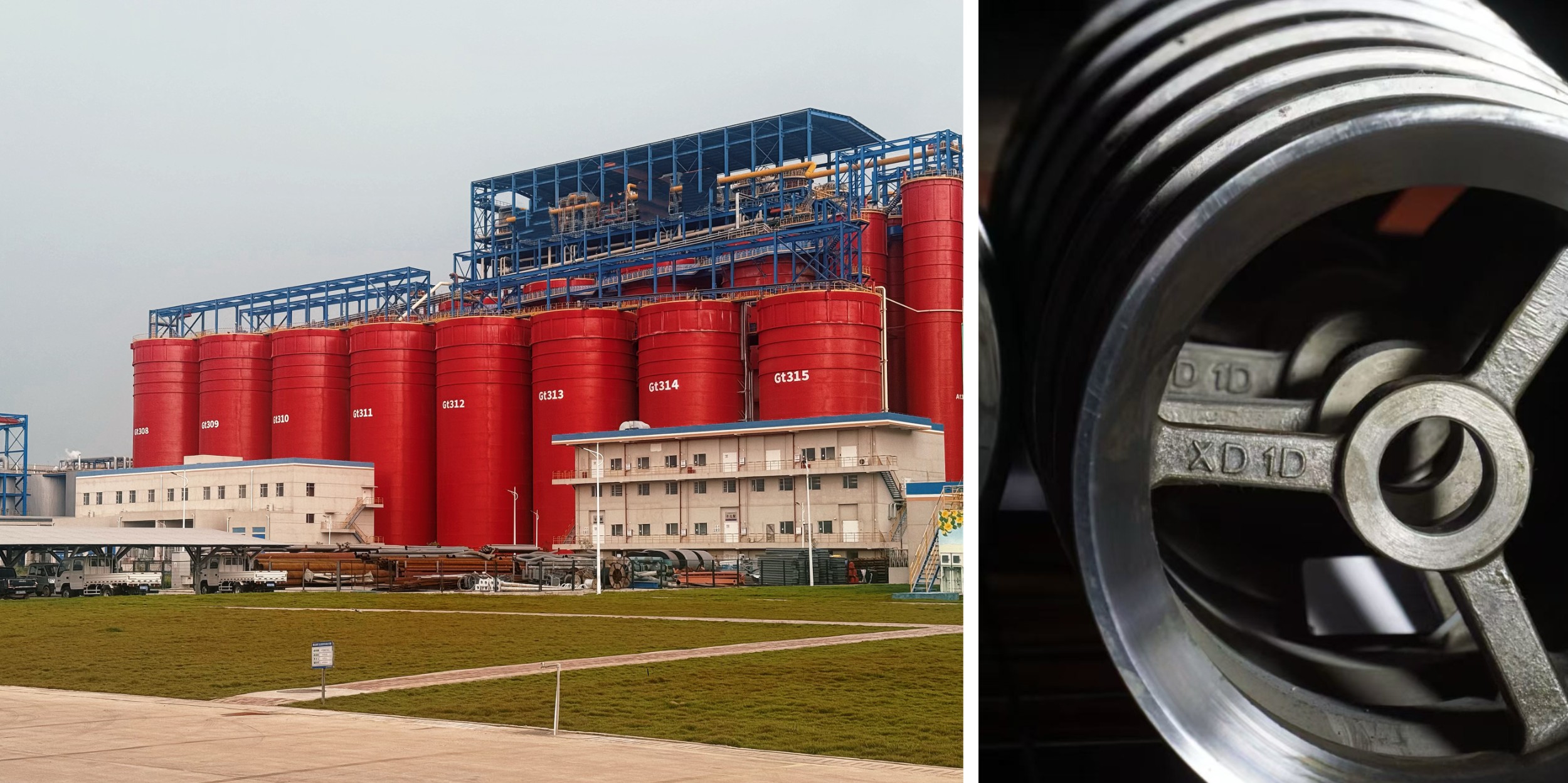
A Bayer Process Project & Valve Seat for Bayer Process
These production lines run non-stop on a 24/7 all-year-round basis with scheduled overhaul intervals ranging from 90 to 120 consecutive operating days; unplanned shutdown triggered by valve malfunction or premature failure will force the whole production train to halt, resulting in enormous raw material waste, idle equipment depreciation and massive economic losses from suspended output.
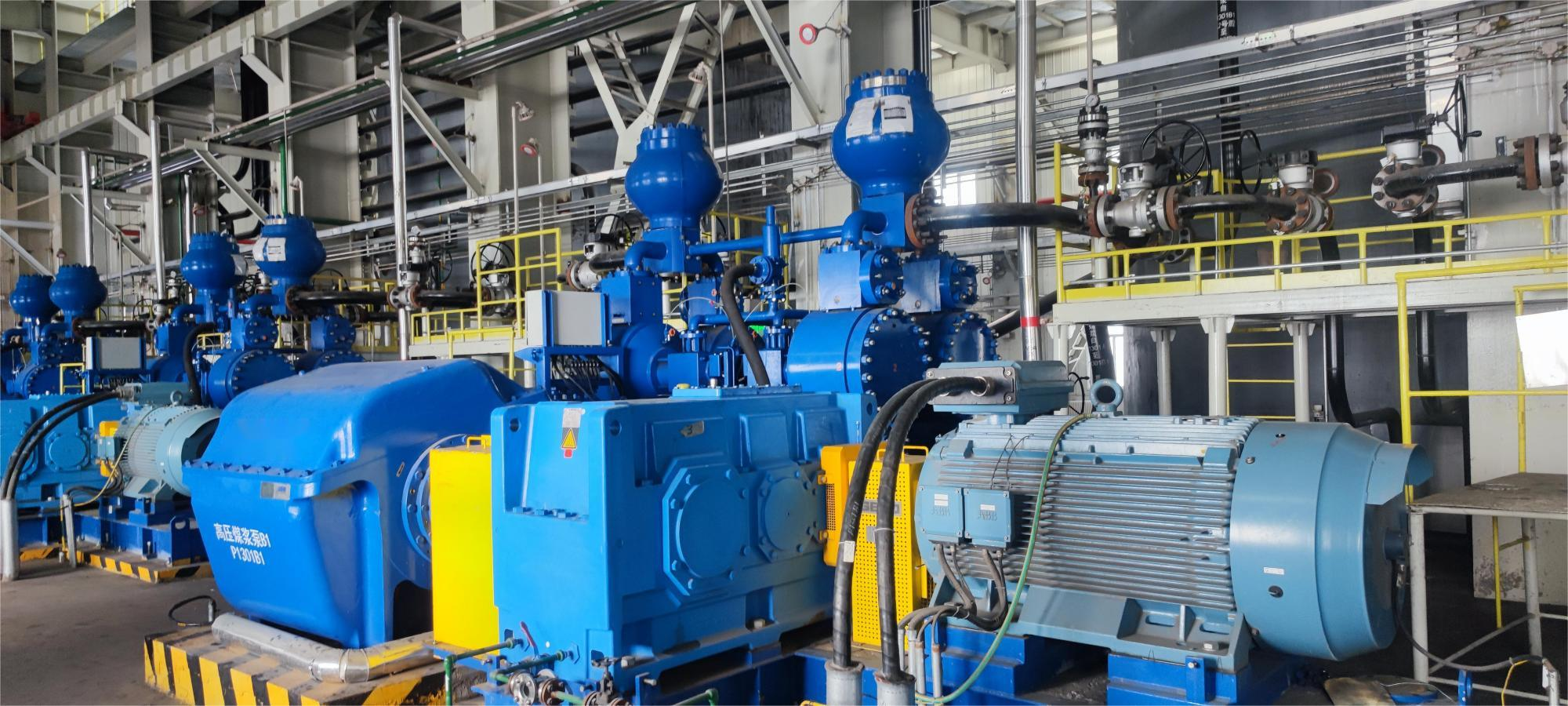
Check valves installed at PD pump outlet act as critical components: they prevent high-pressure process medium back flow during pump pressure fluctuation caused by PD pump periodic volumetric pulsation. Common OEM check valves operate good under standard condition but struggle to withstand extreme condition such as frequent valve stuck due to big particles contained in slurry and medium corrosion inherent to these two industries, hence customized check valve structural design targeting working condition characteristics becomes indispensable to achieve long-term maintenance-free service matching the plant’s ultra-long operation cycle.
Technical Solution Brief
For Bayer-process alumina production fed with China’s prevailing diasporic bauxite featuring hard mineral composition, the digestion process operates under rigorous working conditions: medium temperature of 95~100 ℃ and design pressure of 7~8 MPa. To satisfy such harsh service requirements, the surface carburizing & quenching hardening heat treatment process is optimized for valve metallic components to improve comprehensive service performance.
Through refined heat treatment regulation, critical technical indicators including surface metallographic structure grade, surface hardness, effective case depth and core hardness are precisely customized. The optimized surface microstructure delivers outstanding abrasion and erosion resistance against hard diasporic ore slurry scouring; meanwhile controlled core hardness retains sufficient substrate toughness to resist cyclic pressure impulse and fatigue cracking under long-term high-pressure service, enabling reliable long-cycle operation matching the production schedule.
Besides metallic part upgrading, elastomer sealing constitutes another core component determining valve service reliability under alkaline digestion service. Cooperated with state-owned enterprises, we have jointly developed a dedicated high-performance rubber compound characterized by superior alkali resistance, anti-aging property and exceptional wear resistance. While maintaining qualified tear strength to avoid cracking failure, the customized sealing rubber reaches ultra-high hardness with Shore A hardness above 90.
Benefiting from the synergistic performance of heat-treated hardened metallic substrates and proprietary high-hardness alkali-proof rubber seals, the finished check valves realize stable and leak-free continuous operation in domestic diasporic bauxite-based alumina digestion working conditions.