PD Pump Valve High Velocity Erosion: Solving Contact Surface Radial Grooves & Worm Holes
In the high-intensity operation of positive displacement (PD) pumps, PD pump valve high speed erosion is one of the most pressing pain points that plagues industrial operators. A common and highly destructive failure mode is the appearance of radial grooves (known as worm holes) on the valve contact surface, which drastically shortens valve service life, disrupts pump sealing performance, and leads to frequent downtime and costly maintenance. For industries relying on PD pumps for continuous production, understanding the root causes of this wear and finding targeted solutions is critical to optimizing operational efficiency.
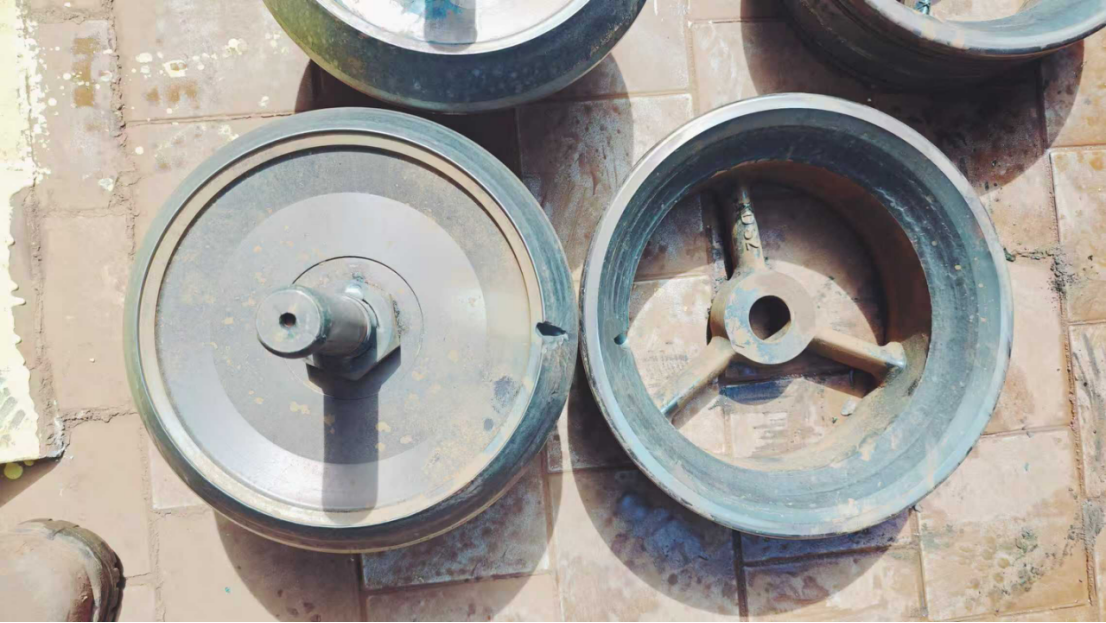
A metal-on-metal valves after 60 days of operation in HPAL application
What Are Radial Grooves / Worm Holes on PD Pump Valve Contact Surfaces?
Radial grooves, commonly referred to as worm holes, are distinctive wear defects that form radially along the contact surface of PD pump valves. These tiny, channel-like indentations are not random damage—they are the direct result of high-speed erosion and mechanical wear during valve operation. Over time, these grooves and worm holes expand, breaking the tight seal of the valve, causing fluid leakage, reducing pump pressure stability, and eventually leading to complete valve failure. Addressing PD pump valve high speed erosion and eliminating these contact surface defects is essential to maintaining uninterrupted PD pump performance.
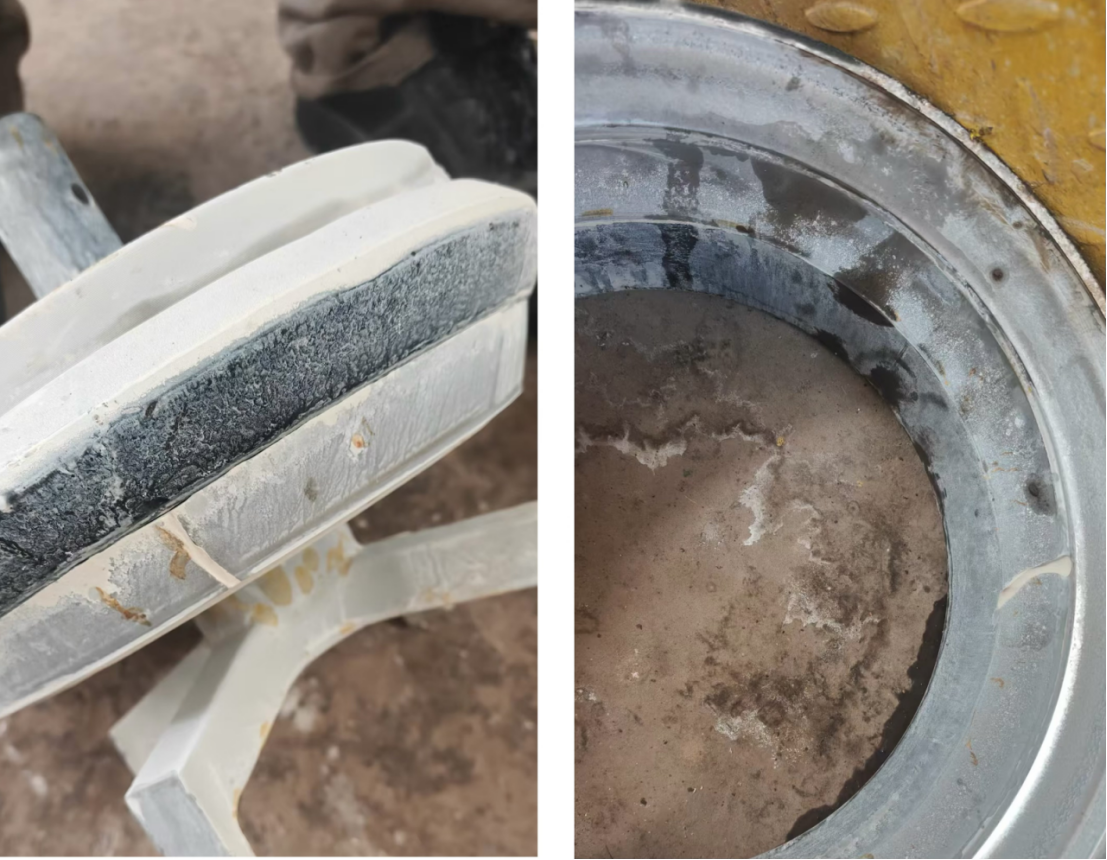
A Typical Grooves on contact surface after 65days operation in Bayer Process Application
Root Causes of Valve Contact Surface Grooves & Worm Holes
1. Poor Sealing Surface Design Traps Process Materials
The primary trigger of radial groove formation lies in flawed valve sealing surface design. When the PD pump valve closes, the poorly contoured sealing surface is prone to trapping solid particles or abrasive materials present in the pumped medium. Instead of allowing smooth, full closure, the design creates gaps and catch points that hold back materials, setting the stage for immediate wear and erosion.
2. Unstable Tribosystem Caused by Mismatched Hardness Ratio
A key technical factor driving severe wear is the hardness ratio between the valve sealing surface and the process materials. When the relative hardness ratio falls between 0.9 and 1.0, the tribosystem (the interactive system of the valve surface, materials, and operating environment) becomes extremely unstable. In this fragile state, even large, hard particles that get trapped between the sealing surfaces during valve closure will slide along the contact surface under operational pressure. This sliding action leaves permanent indentations, marking the formation of initial radial grooves and worm holes, which quickly worsen with repeated high-speed operation.
3. Ineffective Single-Dimension Material Adjustments
Many component suppliers attempt to fix wear issues by simply increasing valve surface hardness or switching to a different base material, but this one-size-fits-all approach fails to resolve the core problem. High-speed erosion and worm hole formation are systemic issues, not just material-related flaws. Isolated hardness upgrades or material changes cannot compensate for poor structural design or unstable operational dynamics, making these solutions ineffective for extreme wear and corrosion conditions.
Systemic Optimization Solutions for PD Pump Valve Wear
At Tasou, we reject superficial fixes and take a systematic optimization approach to combat PD pump valve high speed erosion and eliminate contact surface radial grooves and worm holes, especially for extreme wear and corrosion working conditions. Our valve components are engineered as integrated, high-performance units, with targeted upgrades across every critical aspect:
• Stable Valve Guiding: We design precision, stable valve guiding structures to ensure smooth, aligned valve closure, eliminating off-kilter movement that traps materials and causes uneven wear.
• Smoother Sealing Surface: Our optimized sealing surface contours eliminate material trap points, allowing full, tight closure without catching abrasive particles, preventing the initial formation of grooves and worm holes.
• Durable Metal Surfaces & Valve Rings: We engineer high-durability metal surfaces and heavy-duty valve rings with balanced hardness and toughness, creating a far more stable tribosystem that resists erosion, indentation, and long-term wear.
Tasou: Your Partner for Custom PD Pump Valve Solutions
Tasou is far more than a PD pump valve supplier—we are a trusted provider of customized PD pump spare part solutions tailored to your unique operating conditions. We don't just sell off-the-shelf valves; we analyse your specific medium, operating pressure, speed, and wear challenges to design and manufacture valves that resist high-speed erosion, eliminate contact surface worm holes and radial grooves, and drastically extend the maintenance cycle of your PD pumps.
Don’t let recurring valve wear, radial grooves, and high-speed erosion disrupt your production efficiency. Choose Tasou's professionally optimized PD pump valves and customized solutions to enhance your pump’s reliability, reduce downtime, and lower long-term operational costs.